Think about the last time you had to manually send out hundreds of emails, track customer interactions across multiple platforms, or try to remember which ‘lead’ needed a follow-up at exactly the right moment. Exhausting, right? If you’re nodding your head, you’re not alone. Thousands of business owners and marketing teams face this overwhelming reality every single day. The good news is that the benefits of marketing automation for your business can transform these time-consuming tasks into streamlined, efficient processes that actually drive results while you focus on what truly matters: growing your business and connecting with your customers.
Marketing automations have revolutionized how companies interact with their audience, nurture leads, and close deals. This guide will walk you through everything you need to know about marketing automation tools, how they work, and why implementing them could be the game-changing decision your business needs right now.
What is Marketing Automation?
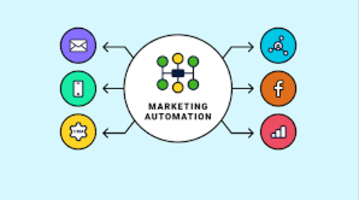
Marketing automation refers to the use of specialized software and technology platforms to automate repetitive marketing tasks and workflows. Instead of manually sending emails, posting on social media, or tracking customer behavior, marketing automation software handles these processes automatically based on predefined rules and triggers you set up.
Imagine having a tireless assistant who never sleeps, never forgets a task, and can handle thousands of customer interactions simultaneously. That’s essentially what marketing automation platforms do for your business.
Some of the common tasks for which marketing automation tools can help businesses are:
- Automating email campaigns
- Automating SMS and messaging coordination
- Arranging and publishing social media posts
- Managing website content
- Analyzing and managing digital data

How Marketing Automation Works
At its core, marketing automation operates through a combination of customer data collection, behavioral tracking, and automated responses. When someone visits your website, downloads a resource, or interacts with your brand, the system captures that information and uses it to deliver relevant, timely communications.
The process typically involves creating workflows or campaigns that define specific conditions and actions. For example, if a visitor downloads your free guide, the system might automatically add them to a nurture sequence that sends educational content over the next few weeks. If they click on a pricing page, that action might trigger a notification to your sales team that this lead is showing buying intent.
Marketing automation tools integrate with your existing systems like customer relationship management platforms, email marketing services, social media channels, and analytics tools. This integration creates a unified ecosystem where data flows seamlessly, giving you a complete picture of each customer’s journey and enabling more personalized, effective marketing efforts.
Why Does Your Business Need Marketing Automation
The reality of modern business is simple: customers expect personalized, timely interactions, but delivering those experiences manually is practically impossible as your business scales. According to a recent report, 91% of the businesses using marketing automation find it to be crucial for their overall marketing success. Why is that? It reduces costs and improves quality. It’s all a business owner could ever ask for!
There is no compelling reason to overlook marketing automation in the modern era, as 79% of major corporations employ it to enhance their marketing procedures. This is where the advantages of marketing automation become undeniable.
The Challenge of Manual Marketing
Running marketing campaigns manually means you’re constantly playing catch-up. You might forget to follow up with a hot lead, send an email at the wrong time, or fail to segment your audience effectively because it’s too time-consuming. Every manual task is an opportunity for human error, inconsistency, and missed opportunities.
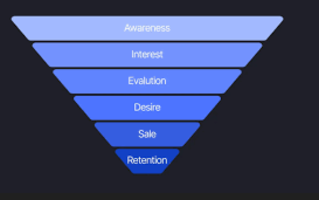
Consider this scenario: A potential customer visits your website at midnight, downloads your product guide, and is clearly interested in what you offer. With manual processes, they might not hear from you until the next business day—or worse, they might slip through the cracks entirely. With marketing automations, they receive an immediate, personalized thank-you email, relevant follow-up content, and are seamlessly guided through your sales funnel while their interest is at its peak.
Growing Without Burning Out Your Team
One of the most compelling benefits of marketing automation is the ability to scale your marketing efforts without proportionally increasing your team size or workload. Your marketing automation software can handle the volume of hundreds or thousands of customer interactions that would otherwise require a massive team working around the clock.
This scalability is particularly valuable for small businesses that need to compete with larger competitors but don’t have unlimited resources. Marketing automation for small businesses levels the playing field, allowing lean teams to execute sophisticated campaigns that were once only possible for companies with huge marketing departments.
Marketing Automation in 2025
The landscape of marketing automation has evolved dramatically, and understanding where we are today helps have a context of the benefits of marketing automations for your business and why these tools have become indispensable.
Current Trends Shaping Marketing Automation
Marketing automation platforms in 2025 are more intelligent, integrated, and user-friendly than ever before. Artificial intelligence and machine learning capabilities have been woven into these systems, enabling predictive analytics, smart content recommendations, and automated optimization that continuously improves campaign performance without manual intervention.
The integration capabilities have expanded tremendously. Modern marketing automation tools now connect seamlessly with virtually every business system imaginable—from e-commerce platforms and customer service software to video conferencing tools and project management systems. This interconnectedness creates a holistic view of your customer and enables marketing that responds to real-time signals from across your entire business.
The Accessibility Revolution
Perhaps the most significant shift is accessibility. The future of marketing automation isn’t just for enterprises with six-figure budgets anymore. Cloud-based solutions, flexible pricing models, and increasingly intuitive interfaces have made powerful marketing automation software available to businesses of all sizes. You no longer need a technical degree or a dedicated IT team to implement marketing automation successfully.
Mobile-first experiences, visual workflow builders, and pre-built templates mean you can launch sophisticated automation campaigns in hours rather than weeks. The barrier to entry has dropped dramatically, making this the perfect time for businesses that haven’t yet adopted these tools to jump in.

6 Reasons to Have Marketing Automation
Understanding the specific advantages that marketing automation brings to your business helps justify the investment and sets clear expectations for what you’ll achieve.
Save Time and Money Across Your Team.
The most immediate benefit you’ll notice when you implement marketing automation is time—lots of it. Tasks that once consumed hours of your week happen automatically in the background. Email sequences that took hours to send manually now fire off perfectly timed messages without any intervention. Social media posts schedule themselves. Lead scoring happens in real-time.
This recovered time isn’t just about efficiency; it’s about redirecting your team’s energy toward high-value activities that actually require human creativity and strategic thinking. Your marketers can focus on crafting compelling campaigns, analyzing performance data, and developing innovative strategies rather than drowning in administrative tasks.
Improved Customer Experience and Personalization
Today’s consumers don’t just appreciate personalization—they expect it. Generic, one-size-fits-all marketing feels tone-deaf and gets ignored. The benefits of marketing automation shine brightest in the realm of personalization because these systems excel at delivering the right message to the right person at the right time.
Marketing automation platforms track individual customer behaviors, preferences, and engagement history, then use that data to tailor every interaction. Someone who’s interested in your premium product line receives different content than someone exploring your entry-level offerings.
Customers who engage frequently get recognized as VIPs, while those showing signs of disengagement receive re-engagement campaigns automatically. This level of personalization at scale is simply impossible manually, yet it’s precisely what modern customers demand.
Increased Lead Generation and Nurturing
Not every prospect is ready to buy the moment they discover your business. In fact, most aren’t. The customer journey involves multiple touchpoints, research phases, and consideration periods. Marketing automations excel at nurturing these leads through that journey without letting anyone fall through the cracks.
Automated nurture sequences deliver educational content that addresses common questions and objections. They provide social proof at strategic moments. They gently guide prospects toward a purchase decision by demonstrating value consistently over time. This systematic approach to lead nurturing significantly increases conversion rates because you’re staying top-of-mind and building trust throughout the decision-making process.
Better Data and Actionable Insights
Marketing automation tools don’t just execute campaigns—they generate incredibly valuable data about what’s working and what isn’t. Every email open, link click, form submission, and website visit gets tracked and analyzed, giving you unprecedented visibility into customer behavior and campaign performance.
This data transforms from raw numbers into actionable insights. You can see exactly which email subject lines generate the highest open rates, which content pieces drive the most conversions, and which customer segments are most profitable. These insights inform smarter strategic decisions and enable continuous optimization that improves results over time.
Enhanced Workflow Between Marketing and Sales
One of the often-overlooked advantages of marketing automation is how it bridges the gap between marketing and sales teams. These departments frequently operate in silos, leading to friction, duplicated efforts, and missed opportunities. Marketing automation creates a shared system of record that both teams use, fostering alignment and collaboration.
Lead scoring features help sales teams prioritize their outreach by identifying which prospects are most engaged and sales-ready. Automated notifications alert sales reps when hot leads take key actions. The entire customer journey becomes visible to both teams, eliminating the finger-pointing about lead quality and follow-up timing that plagues many organizations.
Increase Overall Product and Measurable Return on Investment
Unlike some marketing investments where results feel fuzzy and hard to quantify, the benefits of marketing automation in your business are measurable and trackable. You can see exactly how many leads each campaign generated, which automations drove the most revenue, and what your return on investment looks like down to the dollar.
This measurability is crucial for making smart business decisions and securing continued investment in your marketing efforts. When you can demonstrate that your marketing automation software generated ten times its cost in revenue, getting budget approval for expansion becomes straightforward.
Improve Conversion Rate
Businesses can communicate with potential clients more consistently and successfully with the use of marketing automation solutions. This allows companies to improve reach and engage with their target audience by providing them with relevant and instantaneous information. This in return, increases the probability of closing a sale.
Implement Marketing Automation in Your Business
Understanding the benefits is one thing; actually, implementing marketing automation successfully is another. Here’s how to approach it strategically.
Start With Clear Goals and Strategy
Before diving into any marketing automation platform, take time to define what success looks like for your business. Are you primarily focused on lead generation? Customer retention? Re-engagement of dormant customers? Upselling existing clients?
Your goals will shape which features you prioritize, what workflows you build first, and how you measure success. Starting without clear objectives is like setting out on a road trip without a destination—you might enjoy the ride, but you won’t know if you’re making progress.
Create a roadmap that prioritizes quick wins alongside longer-term strategic initiatives. Maybe you start with a simple welcome email sequence for new subscribers, then gradually layer in more sophisticated nurture campaigns, lead scoring, and multi-channel orchestration.
Choose the Right Marketing Automation Tools
The market is flooded with marketing automation software options, each with different strengths, weaknesses, and ideal use cases. For small businesses, platforms that prioritize ease of use and affordable pricing make sense. Growing companies might need more robust features and scalability. Enterprises often require advanced customization and integration capabilities.
Evaluate options based on several key criteria. Does the platform work with the tools you already have? Is the interface intuitive enough that your team will actually use it? Does the pricing model align with your budget and how it scales as you grow? What kind of customer support and training resources are available?
Don’t make the mistake of choosing based solely on features. A platform with every bell and whistle is worthless if it’s so complex that your team never fully adopts it. Sometimes a simpler solution that your team will actually use consistently delivers better results than a powerful platform that sits underutilized.
Build Your Foundation First
Successful marketing automation requires solid foundational elements. You need clean, organized customer data. You need clearly defined buyer personas and customer segments. You need quality content to feed into your automated campaigns. You need defined processes for how leads move through your funnel.
Trying to automate chaos just gives you automated chaos. Take time to clean your contact database, establish naming conventions, create content libraries, and document your customer journey before building complex automations. This groundwork pays dividends in smoother implementation and better results.
Start Simple and Grow Gradually
The temptation when you first implement marketing automation is to build elaborate, complex workflows that orchestrate every possible customer scenario. Resist this urge. Start with simple, high-impact automations that address obvious gaps in your current process.
A few starter automations that deliver immediate value include welcome email sequences for new subscribers, abandoned cart reminders for e-commerce businesses, re-engagement campaigns for inactive contacts, and lead magnet delivery systems that automatically send resources when someone fills out a form.
As you gain confidence and see results from these foundational automations, you can layer in more sophisticated campaigns. This gradual approach prevents overwhelm, allows your team to learn the system incrementally, and builds momentum through early wins.
Test, Measure, and Optimize Continuously
One of the powerful advantages of marketing automation is how easily you can test different approaches and measure results. Take advantage of this capability by treating everything as an experiment that can be improved.
Test different email subject lines to see what generates higher open rates. Try various call-to-action placements and wording. Experiment with timing and frequency. Compare different content formats. Every test teaches you something about your audience and helps you optimize for better performance.
Set up regular reviews of your automation performance. Look at key metrics like open rates, click-through rates, conversion rates, and revenue generated. Identify what’s working well and what’s underperforming, then make data-driven adjustments accordingly.
How Marketing Automation Transforms Different Business Functions
The ripple effects of marketing automations extend far beyond the marketing department itself.
Sales Enablement and Revenue Growth
When marketing and sales work in harmony through shared automation systems, revenue growth accelerates. Marketing automation tools provide sales teams with rich context about each lead—what content they’ve engaged with, what pages they’ve visited, what questions they’ve asked. Armed with this intelligence, sales conversations become more relevant and effective.
Automated lead scoring ensures sales teams spend their time on the prospects most likely to convert rather than chasing cold leads. Automated nurturing warms up leads before they ever speak with a salesperson, making those conversations more productive and shortening sales cycles.
Customer Service and Retention
Marketing automation isn’t just for acquiring new customers; it’s equally powerful for keeping the ones you have. Automated onboarding sequences help new customers get value from your product or service quickly. Regular check-in emails proactively address common issues before they become problems. Usage-based triggers can automatically offer help when someone seems stuck or send congratulations when they hit a milestone.
These automated touchpoints create a more attentive, responsive customer experience that builds loyalty and reduces churn—often without requiring additional customer service headcount.
Content Marketing and Distribution
Creating great content is only half the battle; getting that content in front of the right people at the right time is equally important. Marketing automation platforms excel at content distribution, automatically sharing new blog posts across channels, segmenting content delivery based on interests and behavior, and recycling evergreen content to maximize its value.
The ability to automate marketing tasks related to content distribution means your content works harder for you long after you hit publish, continuing to generate leads and nurture relationships without ongoing manual effort.
Overcoming Common Challenges When You Implement Marketing Automation
While the benefits are substantial, implementation isn’t without challenges. Being aware of common pitfalls helps you navigate around them.
Avoiding Over-Automation
There’s a fine line between helpful automation and annoying spam. Just because you can automate something doesn’t always mean you should. Bombarding customers with too many automated messages creates fatigue and damages relationships rather than strengthening them.
Be thoughtful about frequency and relevance. Give people control over their communication preferences. Build in intelligence that adjusts based on engagement—if someone isn’t opening your emails, sending more won’t help. The goal is to enhance the customer experience, not overwhelm it with robotic communication.
Maintaining the Human Touch
Marketing automation should not take the place of human interactions but strengthen it. The most successful implementations find the right balance between automated efficiency and genuine human interaction. Use automation to handle routine communications and information delivery, but make sure there are clear paths for customers to reach actual humans when needed.
Personalization tokens and dynamic content help automated messages feel less robotic, but nothing replaces the authenticity of human-to-human interaction at key moments in the customer journey. Strategic automation frees up your team to provide that high-touch experience when it matters most.
Getting Team Buy-In and Adoption
Technology doesn’t deliver results—people using that technology deliver results. If your team doesn’t embrace your marketing automation software, it won’t reach its potential. Invest in proper training, involve team members in the implementation process, and demonstrate quick wins that show the value.
Address concerns openly. Some team members may be concerned that their positions will be replaced by automation. Help them understand that automation handles the tedious tasks they don’t enjoy anyway, freeing them to focus on creative, strategic work that’s more fulfilling and valuable.
FAQs About The Benefits of Marketing Automation for Your Business
What are the main the benefits of marketing automation in your business?
The main benefits include significant time savings through automated repetitive tasks, improved lead generation and nurturing, enhanced personalization at scale, better data and insights for decision-making, increased alignment between marketing and sales teams, and measurable ROI. Marketing automation allows businesses to do more with less effort while delivering better customer experiences.
Is marketing automation suitable for small businesses?
Absolutely. Marketing automation for small businesses has become increasingly accessible with affordable platforms, user-friendly interfaces, and scalable pricing models. Small businesses often benefit even more than large companies because automation allows lean teams to execute sophisticated campaigns that would otherwise require substantial additional headcount. The time savings and efficiency gains are particularly impactful when resources are limited.
How much does marketing automation software cost?
Costs vary widely depending on the platform, features, and contact database size. Entry-level marketing automation tools start around thirty to fifty dollars per month for basic functionality and small contact lists. Mid-tier platforms range from one hundred to five hundred dollars monthly. Enterprise solutions can run several thousand dollars per month. Many platforms offer free trials or limited free tiers, allowing you to test before committing to paid plans.
What distinguishes marketing automation from email marketing?
Email marketing focuses specifically on sending email campaigns to your contact list. Marketing automation is much broader, encompassing email but also including lead scoring, customer segmentation, multi-channel campaigns, behavioral triggers, CRM integration, and comprehensive customer journey orchestration. Think of email marketing as one tool in your toolbox, while marketing automation is the entire workshop that contains multiple tools working together.
What is the duration required to observe outcomes from marketing automation?
Timeline varies based on your goals, implementation approach, and existing marketing maturity. Simple automations like welcome sequences or abandoned cart emails can show results within days or weeks. More complex nurture campaigns and lead scoring systems typically take one to three months to demonstrate significant impact. Most businesses see meaningful ROI within three to six months of proper implementation, with results improving continuously as you optimize based on data and experience.
Conclusion-The Benefits of Marketing Automation for Your Business
The benefits of marketing automation for your business extend far beyond simple efficiency gains. These powerful systems transform how you connect with customers, nurture relationships, and drive revenue growth. From dramatic time savings and improved personalization to better data insights and measurable ROI, marketing automation tools deliver value across every aspect of your marketing efforts.
The future of marketing automation promises even more intelligent, integrated, and accessible solutions. Businesses that embrace these tools today position themselves to compete effectively tomorrow. The time to automate marketing tasks, streamline your workflows, and deliver exceptional customer experiences at scale is now. Your competitors are already discovering why businesses need marketing automation—make sure you’re not left behind.