You’ve probably scrolled past hundreds of businesses today, barely noticing most of them. But then one catches your eye. Something about their colors, their message, or their overall vibe just clicks. That’s not luck, that’s the power of a strong brand identity working its magic. In today’s crowded digital landscape, learning how to create a powerful brand identity that stands out online isn’t just nice to have, it’s absolutely essential for survival.
Creating a brand identity that truly connects goes far beyond picking pretty colors or designing a clever logo. It’s about crafting a cohesive experience that speaks directly to your audience’s hearts and minds. It’s about consistency, authenticity, and strategic thinking that transforms casual browsers into devoted brand advocates. Are you ready to stand out in the digital noise? Let’s dive deep into the strategies that will make your brand impossible to ignore.
Understanding What Brand Identity Really Means
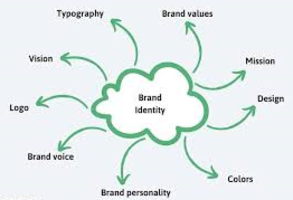
Let’s make the what clear before we go on to the how. Your brand identity is the visible and emotional expression of your business. It’s the complete package of elements that customers use to recognize and remember you. This includes your logo, color palette, typography, imagery style, voice, messaging, and the overall personality you project.
Many entrepreneurs confuse brand identity with branding or a logo. Your logo is only just one part of it. Your brand identity is the entire system of visual and verbal elements working together to create a memorable impression. Think of it as your business’s personality made visible and tangible.
According to studies, revenue can rise by up to 23% when a brand is presented consistently across all channels. When people recognize and trust your brand identity, they’re more likely to choose you over competitors, even if you’re priced slightly higher.

How to Create a Powerful Brand Identity That Stands Out Online
These essential steps will help you create a brand that makes a lasting impression:
Create a brand message that truly connects with your audience.
Develop Your Brand Voice: Your brand voice should align with your values and appeal to your target audience. If your brand were an individual, who would it be? Are they sophisticated and elegant, or playful and quirky? Professional and authoritative, or warm and approachable? Whether it’s friendly and casual or formal and professional, consistency is key.
Your brand voice flows directly from this personality. It determines how you communicate across every touchpoint, from website copy to social media posts to customer service interactions. Consistency in voice is what makes your brand identity recognizable, even without seeing your logo.
Tell Your Brand Story: People love stories. Share the journey behind your brand—how you started, your mission, and what drives you.
Engage with Your Audience
Build Relationships Through Interaction: Interact with your audience on a regular basis. Answer inquiries, reply to comments, and express gratitude for their assistance.
Act on Feedback: Listen to what your audience is saying. Use surveys or social media polls to gather feedback and make improvements based on their suggestions.
Monitor and Adjust: Keep an eye on your brand’s performance using analytics tools. Track metrics like website traffic and social media engagement to see what’s working and where you can improve. Adjust your strategies as needed to ensure your brand stays relevant and resonates with your audience.
Have Your Own Brand Identity
Reach the Core of Your Brand: Consider your brand to be a person. What’s its personality? What does it stand for? Start by defining your mission and core values. For example, a Bank might focus on fostering business growth and community engagement, through social responsibility while a local restaurant could emphasize its commitment to quality and personal touch.
Find Your Unique Selling Point (USP): What makes you stand out? It could be your unique products, exceptional service, or your dedication to a cause. For instance, an eatery might highlight its use of locally sourced ingredients and cozy atmosphere, while a fitness center might focus on its innovative equipment and diets to encourage weight loss.
Design a Logo That Shows Your Brand
Make your Logo unforgettable: Your logo is the foundation of your brand’s visual identity. Since it will be one of the first things people see, it must effectively convey the character and principles that make up your brand. Your logo can be a stylized version of your brand name, symbol, or icon.
Choose a Consistent Color Palette and Fonts: Colors and fonts play a huge role in brand recognition. Pick a color scheme and fonts that reflect your brand’s vibe. Your visual identity includes your logo, color palette, typography, imagery style, and graphic elements. Each element should work together harmoniously while serving specific purposes:
Logo Design
Your logo is the focal point of your visual identity. It should be simple enough to recognize at small sizes, memorable enough to stick in minds, and versatile enough to work across different applications. Consider hiring a professional designer for this crucial element, as a poorly designed logo can undermine everything else you build.
Color Psychology
Colors evoke powerful emotional responses. Blue suggests trust and stability. Red conveys energy and passion. Green connects with nature and growth. Choose a primary color that aligns with the emotions you want to evoke, then build a complementary palette that provides flexibility while maintaining cohesion.
Typography Selection
Fonts communicate personality just as powerfully as colors. Serif fonts often feel traditional and trustworthy. Sans-serif fonts appear modern and clean. Script fonts convey elegance or creativity. Choose two or three fonts maximum, one for headlines and one for body text, ensuring they’re readable across devices.
Imagery Guidelines
The photos, illustrations, and graphics you use should follow consistent style guidelines. Will you use bright, saturated photos or moody, desaturated ones? Illustrations or photography? Lifestyle shots or product-focused images? These decisions shape how people perceive your brand.
Create Brand Guidelines: Once you’ve developed all these elements, document them in detailed brand guidelines. This living document ensures consistency as your business grows and different people create content. Include logo usage rules, color codes, font specifications, voice guidelines, and examples of correct and incorrect applications.
Your brand guidelines become the reference manual that keeps your brand identity coherent across every touchpoint, whether someone’s designing an Instagram post or creating a presentation deck.
Build an Engaging Online Presence
Design a User-Friendly Website: Your website is your digital storefront. Make sure it’s easy to navigate, visually appealing, and reflective of your brand identity.
Leverage Social Media: Social media is a powerful tool for engaging with your audience. Choose platforms where your target audience is most active and share content that aligns with your brand’s voice.
Create Valuable Content: Share content that provides value to your audience through videos, blog articles and graphics.
Build Strategic Partnerships
Form partnerships with Local Businesses: This can expand your reach and strengthen your brand.
Engage with Community Organizations: Partner with local community organizations or non-profits to enhance your brand’s visibility and impact.
Stay Consistent Across All Platforms
Maintain Brand Consistency: Ensure your branding is consistent across all platforms and touchpoints. Whether it’s your website, social media, or printed materials, a unified brand experience helps build trust and recognition. Regularly review and update your materials to keep them aligned with your brand guidelines.
Analyze Your Competition Strategically
Understanding your competitive landscape is crucial for differentiation. Research your direct and indirect competitors thoroughly. What visual styles dominate your industry? What messaging angles do they use? Where are the gaps and opportunities?
The goal isn’t to copy what works, but to identify white space where your brand can stand out. If everyone in your industry uses corporate blue and formal language, maybe your brand identity could leverage warm oranges and conversational tone to break through the monotony.

Building Your Digital Brand Presence-How to Create a Powerful Brand Identity That Stands Out Online
With your brand identity foundation solid, it’s time to execute brilliantly across digital channels. Your online presence is where most customers will encounter and evaluate your brand.
Create a Website That Embodies Your Brand
Your website is often the first substantial interaction people have with your brand. It must embody your brand identity completely while providing excellent user experience. This means your visual design, messaging, navigation, and functionality all need to align with your brand personality and values.
Invest in professional web design or use high-quality templates that you customize thoroughly. Ensure fast loading times, mobile responsiveness, and intuitive navigation. Your homepage should communicate clearly what you do, who you serve, and what action visitors should take next.
Every page should feel cohesively branded while serving its specific purpose. Your about page should tell your brand story compellingly. Your product pages should showcase offerings in your signature style. Your blog should reinforce thought leadership while maintaining brand voice.
Stay Consistency Across Social Media Channels
Social media platforms are where your brand identity comes to life daily. Each platform has its own culture and content formats, but your core brand identity should remain consistent across all of them.
Create platform-specific templates that incorporate your brand colors, fonts, and style while optimizing for each platform’s dimensions and best practices. Develop a content calendar that ensures regular, consistent posting without overwhelming your team.
Your brand voice should adapt slightly for different platforms while maintaining core personality. You might be slightly more casual on Twitter, more visual on Instagram, and more professional on LinkedIn, but the underlying personality should always be recognizable.
Engage authentically with your audience. Respond to comments, participate in relevant conversations, and show the human side of your brand. Social media is social, brands that treat it like a one-way broadcasting channel miss enormous opportunities for connection and community building.
Leverage Content Marketing to Build Authority
Creating valuable content positions your brand as an authority while providing opportunities to showcase your brand identity. Blog posts, videos, podcasts, infographics, and other content formats let you demonstrate expertise while connecting with audiences.
Your content strategy should align with your brand positioning and audience needs. If you’re a fitness brand targeting busy professionals, create content about efficient workouts and healthy habits for hectic schedules. Every piece of content should solve problems, answer questions, or provide value while reinforcing your brand identity.
Maintain consistent visual styling across content. Use branded templates for graphics. Open videos with branded intros. Watermark images subtly. These touches reinforce recognition while protecting your content from uncredited sharing.
Write in your brand voice consistently. If your brand is witty and irreverent, your blog posts should reflect that. If you’re serious and scientific, bring data and research to every article. Voice consistency across content builds familiarity and trust.
Optimize Every Touchpoint
Brand identity extends to every digital touchpoint, no matter how small. Your email signatures, automated responses, error pages, confirmation messages, and transactional emails all represent opportunities to reinforce your brand or accidentally undermine it.
Design branded email templates for newsletters and campaigns. Create custom 404 error pages that turn frustration into delight. Write confirmation emails in your brand voice rather than using generic templates. These details separate amateur brands from sophisticated ones.
Even your customer service interactions should reflect brand identity. Train support teams to communicate in your brand voice. Create response templates that maintain personality while efficiently addressing common issues. Every interaction should feel like an extension of your brand.
Measuring and Evolving Your Brand Identity
Creating a powerful brand identity isn’t a one-time project, it’s an ongoing journey of refinement and evolution. Smart brands measure brand health regularly and adapt thoughtfully over time.
Track Brand Awareness Metrics
Monitor metrics that indicate growing brand recognition. Track direct website traffic, which indicates people are seeking you out specifically. Monitor branded search volume to see if more people are searching for your name. Survey customers about how they discovered you and whether they recognize your brand.
Social media metrics like follower growth, engagement rates, and reach provide insight into brand visibility and resonance. While vanity metrics shouldn’t be your only focus, they do indicate growing awareness when tracked over time alongside more meaningful engagement.
Measure Brand Perception
Understanding how people perceive your brand requires qualitative and quantitative research. Conduct regular surveys asking customers to describe your brand in their own words. Do their descriptions align with your intended identity?
Monitor social listening tools to track sentiment around your brand. What emotions and associations do people express when discussing you? Read reviews carefully for insights into how your brand is experienced, not just how your products perform.
Ask directly for feedback about brand touchpoints. After website redesigns or rebranding efforts, survey customers about their reactions. Their honest input helps you refine and improve.
Evolve Without Losing Core Identity
Brands must evolve to stay relevant, but evolution should be thoughtful rather than reactive. Small refinements and updates keep your brand feeling fresh without confusing your audience. Major rebrands should only happen when fundamental changes occur in your business, market, or positioning.
When Apple evolved their logo from the rainbow apple to the minimalist monochrome version, the core symbol remained. When Pepsi updated their design, the red and blue color scheme stayed recognizable. Learn from these examples, evolve your expression while maintaining core recognizable elements.
Test major changes before rolling them out completely. Show redesigns to loyal customers and get their reactions. A phased rollout lets you gauge response and adjust before full commitment.
Common Brand Identity Mistakes to Avoid-How to Create a Powerful Brand Identity That Stands Out Online
Learning from others’ mistakes saves time and resources. Here are pitfalls that undermine even well-intentioned brand identity efforts.
Copying Competitors Too Closely
While competitive research is essential, copying creates confusion rather than differentiation. If your brand identity looks nearly identical to a competitor’s, you’re not standing out, you’re blending in dangerously.
Find inspiration widely rather than narrowly. Look at brands outside your industry for fresh ideas. The goal is to understand what works and why, then apply those principles in your own ways.
Trying to Appeal to Everyone
Brands that try to be everything to everyone end up meaning nothing to anyone. Specific positioning and clear target audience focus might feel limiting, but they actually create strength. You can’t craft a powerful brand identity without knowing exactly who you’re speaking to.
Accept that some people won’t resonate with your brand. That’s not just okay, it’s necessary. The people who do resonate will connect more deeply because your brand speaks directly to them rather than trying to please everyone.
Neglecting Internal Brand Alignment
Your employees are your first brand ambassadors. If they don’t understand, believe in, or embody your brand identity, external efforts will fall flat. Invest in internal brand education and ensure your culture reflects your brand values.
Hire people who naturally align with your brand personality. Train everyone on brand guidelines, not just marketing team members. Celebrate when employees embody brand values and create incentives for brand advocacy.
Prioritizing Trends Over Authenticity
Trends come and go quickly. While staying current matters, chasing every trend dilutes your brand identity and makes you look desperate rather than confident. Evaluate trends through the lens of your brand, adopting only those that authentically align with your identity.
Some brands can pull off playful trend participation because it aligns with their personality. Others should stick to their established approach because trend-chasing would feel forced and confusing. Know which type you are.
Forgetting Mobile Experience
More than half of internet traffic comes from mobile devices, yet many brands still design primarily for desktop. Your brand identity must translate perfectly to small screens. Test every element on mobile devices and optimize for thumb-friendly navigation.
If your fonts are too small, your buttons too tiny, or your images don’t scale properly, your beautiful brand identity becomes an frustrating user experience. Mobile optimization isn’t optional anymore, it’s foundational.
FAQs About How to Create a Powerful Brand Identity That Stands Out Online
How long does it take to build brand identity?
Building a comprehensive brand identity typically takes several months when done properly. The initial development phase, including research, strategy, and design, usually requires two to four months for a thorough process. However, truly establishing your brand identity in the market takes much longer.
Most brands need at least one to two years of consistent execution before achieving strong recognition and recall among their target audiences. Brand building is a marathon rather than a sprint, requiring patience and persistence alongside strategic effort.
Can I create my own brand identity without a designer?
While professional designers bring valuable expertise, small businesses and startups can create basic brand identities using DIY tools like Canva, Adobe Express, or online logo makers. The key is understanding brand strategy and design principles before diving into execution. Many successful brands started with founder-created identities and upgraded later as resources allowed.
However, if your budget permits, investing in professional design creates stronger foundations and often proves more cost-effective than fixing amateur mistakes later. Consider it an investment in your business’s future rather than an expense.
How much should a brand identity cost?
Brand identity costs vary dramatically based on scope, designer experience, and business size. Freelance designers might charge anywhere from a few hundred dollars for basic logo design to several thousand for complete brand identity packages. Agencies typically charge five thousand to fifty thousand dollars or more for comprehensive brand development including strategy, visual identity, and guidelines.
Many businesses start with affordable options and invest in more sophisticated branding as they grow. The right investment level depends on your current resources, growth stage, and how critical brand differentiation is in your market.
What distinguishes brand image from brand identity?
Brand identity is what you intentionally create and project, the controlled expression of your brand through visual design, messaging, and experiences. Brand image is how customers actually perceive your brand based on their experiences and interactions. Think of identity as what you send out and image as what people receive.
Successful brands work to align these two, ensuring their intended identity matches the actual image held in customers’ minds. Gaps between identity and image indicate misalignment that needs addressing through either better execution or revised strategy.
How often should I update my brand identity?
Most established brands benefit from subtle refreshes every five to seven years to stay current without confusing loyal customers. These updates typically involve modernizing typography, refining color palettes, or updating imagery styles while maintaining core recognizable elements. Complete rebrands should be rare, reserved for fundamental business changes like mergers, major pivots, or recovering from reputation damage.
Newer brands might evolve more frequently in early years as they learn what resonates with audiences. The key is maintaining enough consistency for recognition while preventing your brand from feeling dated or out of touch with current standards.
Conclusion- How to Create a Powerful Brand Identity That Stands Out Online
Creating a powerful brand identity that stands out online demands strategic thinking, creative execution, and unwavering consistency. It’s the difference between being just another option and becoming the obvious choice in customers’ minds. Your brand identity is far more than visual aesthetics, though design certainly matters. It’s the complete experience you create, the emotions you evoke, the promises you make and keep, and the community you cultivate.
The online world is noisy and crowded, but that just means the opportunity to stand out is more valuable than ever. Invest in your brand identity seriously, execute it relentlessly, and watch as recognition, trust, and loyalty compound over time. Your future customers are out there right now, scrolling past countless forgettable brands. Make sure yours is the one that makes them stop, look, and remember.